Hi 👋, I’m June. How can I help you?
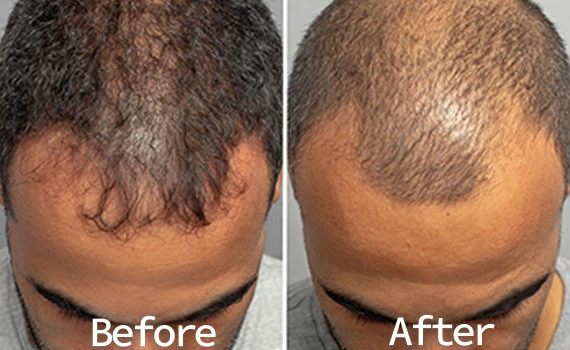
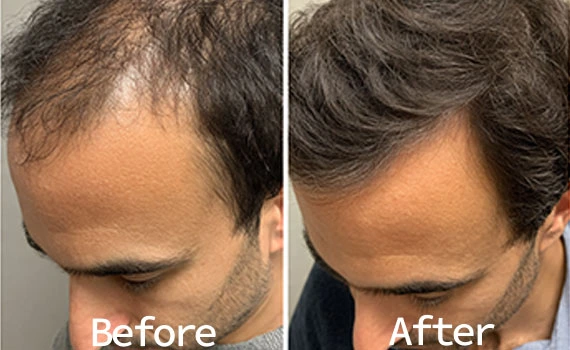
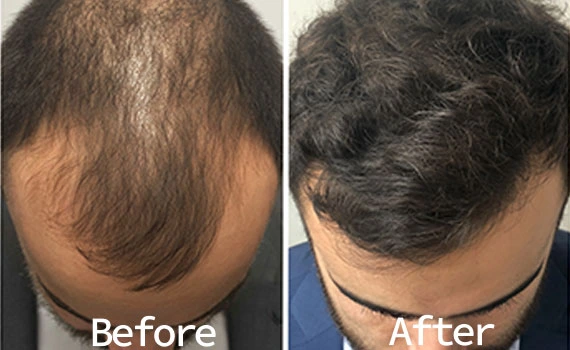
Robotic hair transplantation is an image-guided, computer-driven version of Follicular Unit Extraction (FUE). A laser-guided robot (ARTAS® iX) harvests individual follicular units from the back of the scalp and creates recipient sites at up to 2,000 sites per hour without human fatigue. The surgeon designs the hair-line, sets angle, depth and density, then lets the robot execute the plan with micron-level accuracy. No scalpel, no stitches, no linear scar, all it has is just some tiny punches that heal in 48 hours. The goal is natural density with less discomfort and faster return to normal life.
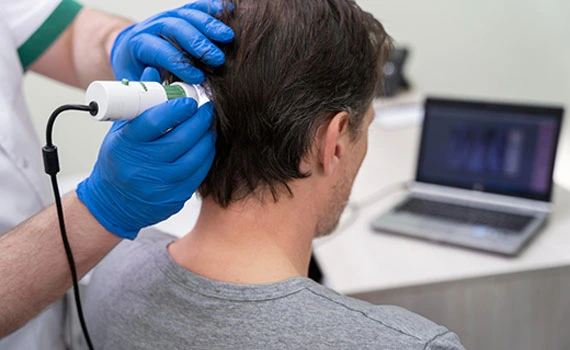
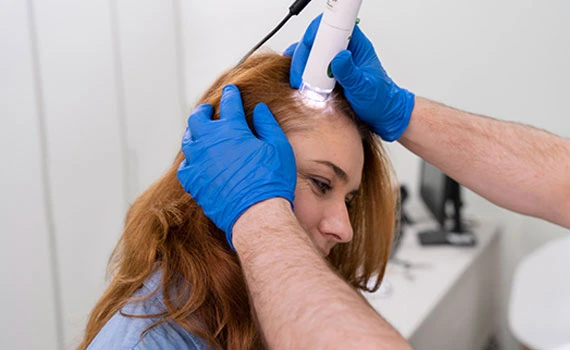
JYN Group works with JCI-accredited centers that run the newest ARTAS iX robot. A smart camera first scans your scalp and maps every hair’s angle and depth, then a gentle robotic arm lifts single grafts while the rest of your hair keeps the area hidden. The same robot creates the new sites, in which, direction, spacing and depth are set automatically, so, our technicians simply place the grafts into ready-made holes. Cool mist keeps them alive, healing is faster, and more hairs survive.
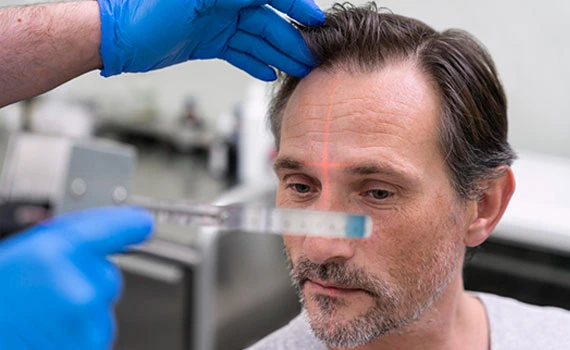
Every theater has HEPA-filtered air and positive-pressure ventilation to prevent contamination. Temperature is logged every 30 minutes to keep cells viable. Robotic FUE is 18% of all medical-tourism hair procedures; average 2,100 grafts per session; 92% graft survival at 9 months. The robot stores 3-D coordinates of every harvested follicle, so, if you return for a second session, it skips previously harvested zones, therefore, preventing over-harvest pits. A color touchscreen lets the surgeon draw the hair-line with a stylus, and the software simulates density and calculates graft count instantly.
Get a free medical opinion from top Indian specialists. We assist Nigerian patients from consultation to recovery.
Treatments are chosen by stage of loss, donor density, and scalp health.
Robot time is booked by the hour, and its cost per graft is lower than manual FUE because speed is higher. In the USA robotic FUE averages $7–$12 per graft. Through medical tourism you pay $2.8–$4.2 per graft, hence, 55-70% savings even after hotel and flights. A 2,000-graft package includes robot time, disposables, 3 nights hotel, airport transfers, post-op kit, including no hidden “robot usage” fee.
Turkey, India and Thailand run multiple ARTAS iX units daily. An all-inclusive 3-night package (robot time, grafts, hotel, transfers) for 2,000 grafts ranges from $5,600 in Istanbul to $6,800 in Bangkok—still half the US price.
Robotic Hair Transplant is one of the most popular cosmetic procedures globally. Countries like Turkey and Poland are especially preferred, where patients can expect an average total cost of around $4,000, including surgery, hospital stay, accommodation, and even flight expenses.
World-renowned cosmetic surgeons, modern hospitals, and affordable all-inclusive packages.
Explore Treatment in Turkey →High European medical standards with significantly lower treatment costs.
Explore Treatment in Poland →Advanced cosmetic clinics combined with luxury recovery and excellent patient care.
Explore Treatment in Thailand →A top choice for patients seeking affordable cosmetic surgery close to North America.
Explore Treatment in Mexico →Known for body-contouring expertise with globally recognized plastic surgeons.
Explore Treatment in Colombia →The global leader in cosmetic innovation and precision-driven procedures.
Explore Treatment in South Korea →Call now to discuss your treatment options, costs, and travel to India.
Call NowEvery hospital partnered with JYN Group for Robotic hair transplant meets strict international healthcare standards. All facilities are accredited by globally recognized quality and patient-safety authorities — ensuring that safety and excellence are built into the price.
Joint Commission International accreditation confirms world-class hospital infrastructure, patient safety, and clinical outcomes.
Turkey’s leading international certification body ensuring medical quality, hygiene standards, and surgical safety.
Poland’s national healthcare quality authority maintaining strict European clinical and patient-care standards.
Thailand’s official hospital accreditation program ensuring excellence in cosmetic and surgical care.
Mexico’s federal health authority regulating hospital safety, medical practices, and surgical compliance.
Colombia’s national health regulator ensuring approved facilities, certified surgeons, and safe medical procedures.
South Korea’s healthcare accreditation authority maintaining high standards in cosmetic surgery innovation and safety.
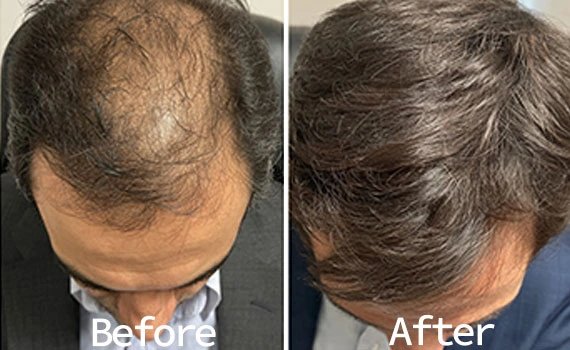
“Robot harvest in Istanbul—2,100 grafts, no pain, no shave visible. Back to office Day 3; hairline looks lower already at Month 5.”
“Bangkok long-hair technique—kept my 5 cm length, donor invisible. Robot placed 1,800 grafts into beard; stubble looks natural at Month 8.”
“India robotic session cost $6,000 for 2,000 grafts—half the Dallas quote. No stitches, no strip scar; I can finally buzz my sides.”
Clear answers to the most common concerns patients have before planning Mastopexy with JYN Group.