




Medical Tourism in Israel – Israel Medical Travel with Expert Patient Assist
Medical Tourism in Israel drew just under 50,000 foreign patients in 2024, but those numbers only tell part of the story for the Israel medical travel. The country punches far above its weight because almost every second visitor is here for a complex case, like
- Late-stage cancer
- High-risk IVF
- Scoliosis surgery in teenagers
- Clinical-trial therapies not yet cleared at home
Revenues crossed $ 560 million last year (Ministry of Health estimates), giving Israel one of the highest receipts per patient in the world, roughly $ 11,500 each.
Why the premium? Start with infrastructure - 354 hospitals and surgical centers, 44,700 acute-care beds and 33 Joint Commission International (JCI) accredited facilities packed into a land mass the size of New Jersey. Add a government rule that every device, drug or diagnostic used on a foreign patient must carry the same audit trail reserved for Israelis, and you get the safety record investors notice and patients trust.
Major Medical Tourism Hubs in Israel
Israel’s healthcare tourism is concentrated across three tightly connected regions, allowing fast transfers, seamless follow-ups, and centralized specialist care.

Tel Aviv Metro
Tel Aviv • Ramat-Gan • Herzliya
Handles approximately 65% of foreign admissions. Just a 20-minute transfer from Ben-Gurion Airport, with English widely spoken and beach-front recovery apartments available for post-treatment stays.

Jerusalem
Pediatric • Genetics • Oncology
Accounts for nearly 25% of medical tourism volume. Known for pediatric, genetic, and complex cancer care. Hospitals offer religious-diet kitchens and Russian-speaking coordinators on-site.
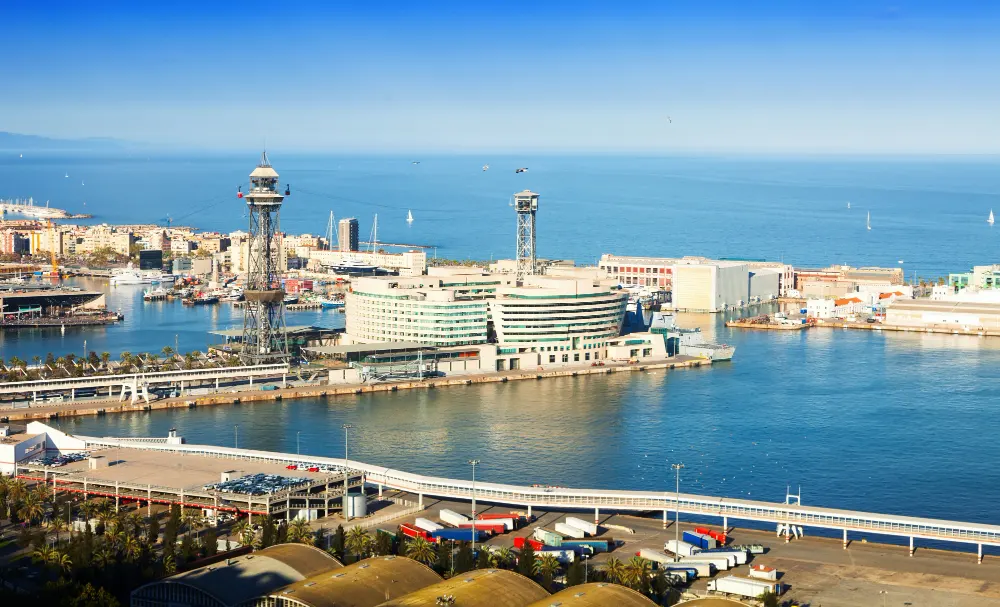
Haifa & Northern Coast
Advanced Emergency & ICU Capacity
Represents around 10% of inbound patients. Rambam Medical Center’s underground 2,000-bed shelter hospital doubles as a surge center, offering added ICU security during regional instability.
Domestic travel time between these hubs is under 90 minutes by car, and most hospitals provide free inter-city shuttle services for follow-up visits.
Why Israel is Preferred for Hospital Tourism in Middle East
Innovation-Driven Healthcare Ecosystem Israel earned the nickname “Startup Nation” because ideas here move from a garage to a hospital faster than most places can schedule a follow-up. Over 1,600 health-tech and biotech companies call the country home, and many of them test their first prototypes in the same wards you and I would walk through.
In short, the same culture that gave USB drives also gives patients earlier access to treatments that are still “pending approval” back home.
Medical Procedures for Which Israel Is Preferred
Israel attracts international patients for complex, research-driven, and high-precision medical treatments backed by transparent outcomes.
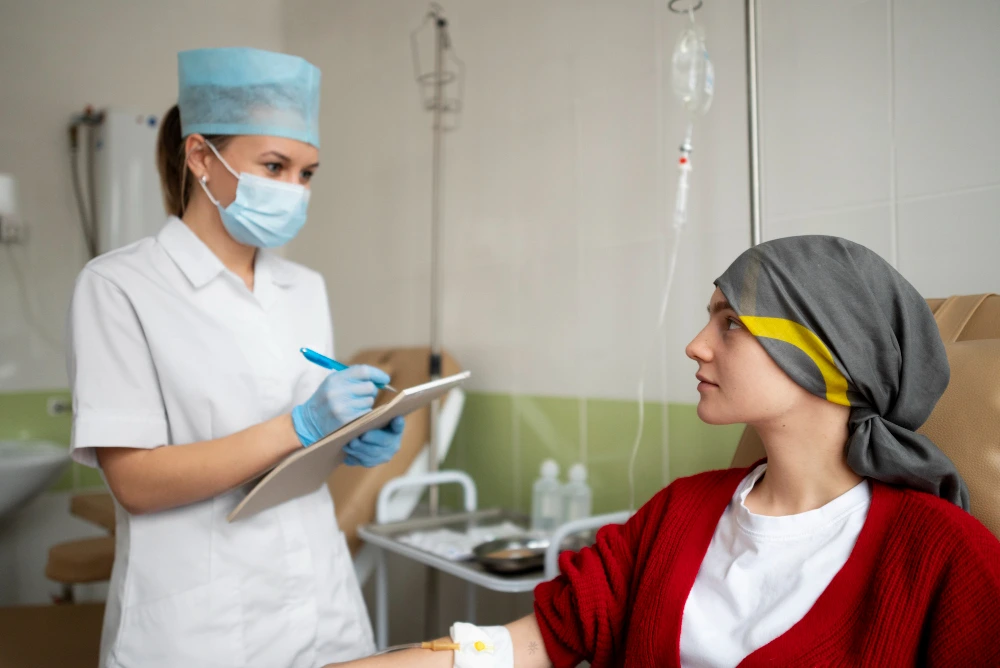
Cancer Care
Sheba Medical Center offers a one-time TIL cell-boost therapy for late-stage melanoma, while Hadassah Hospital provides proton-beam therapy for pediatric brain tumors. Both publish survival outcomes comparable to top U.S. cancer centers.
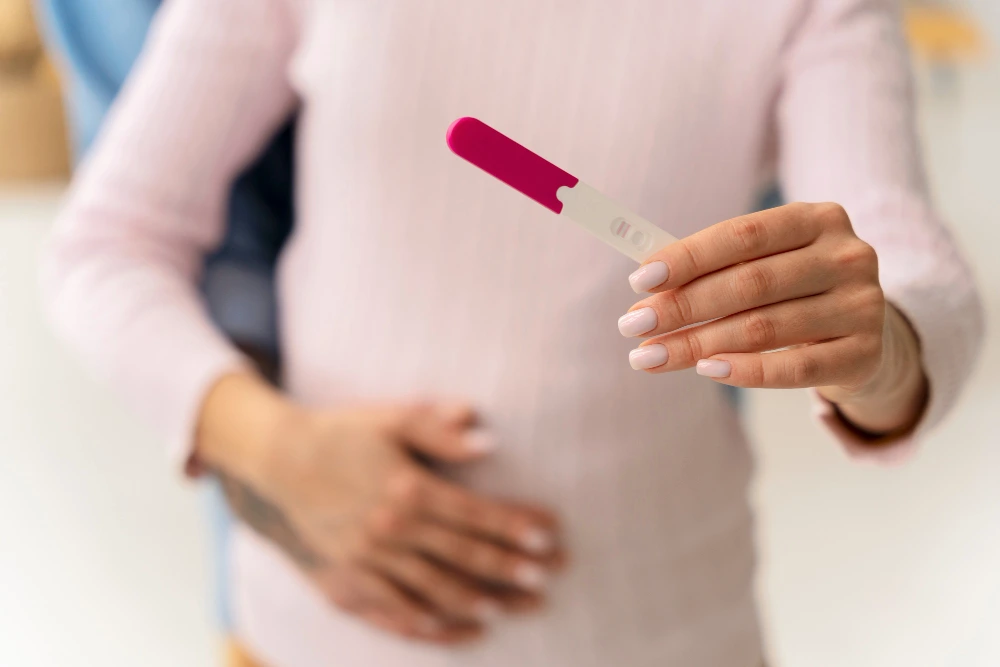
IVF & Fertility
Israel permits IVF treatment up to age 54 and supports family-balancing genetic testing. With 26 embryo laboratories nationwide, women under 38 have nearly a 50% success rate per single embryo transfer.
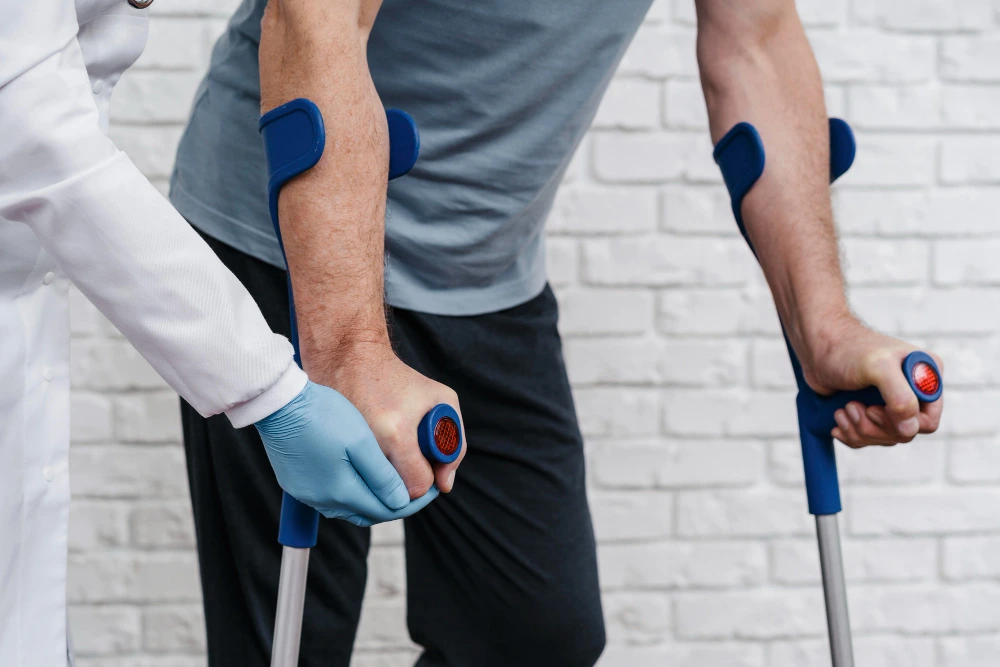
Bone & Joint Treatments
Robotic spine systems and 3-D printed knee implants allow partial knee replacements to be completed with an overnight stay. Most patients walk the next morning and return home within a week.
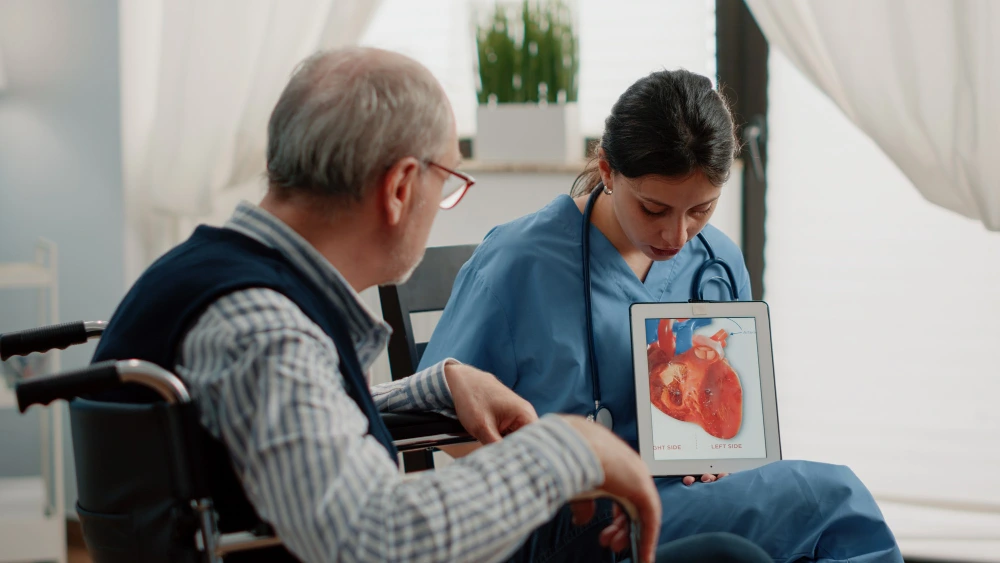
Heart & Vascular Care
Israel pioneered the implantation of the world’s smallest leadless pacemaker. Standard heart rhythm ablation procedures cost approximately $14,000–$18,000—around half the price of U.S. hospitals.

Brain & Rare Pediatric Diseases
Israel offers MRI-guided laser treatment for drug-resistant seizures and access to gene-therapy trials for infant epilepsy. These specialized programs are based in Tel Aviv and Jerusalem and serve families from Europe and the Gulf region.
Government-Facilitated Process – Israel Patient Assistance
Israel quietly rewrote its rule book in 2019. The Medical Tourism Law now requires every facilitator, hospital marketing agent and after-care provider to register with the Ministry of Health, if no license, no visa support letter. For patients, the change is practical and safe.
VAT exemption on the medical invoice itself saves 17% automatically. MED-VISA (B2) is issued in five working days through an online portal available in Hebrew, Arabic, Russian and English. So, the language barrier also gets tossed away from the process, as most of the facilities are known to English. The Israeli Ministry of Health covers translators in seven languages at the five biggest public hospitals. One e-mail from your chosen hospital gets you the visa letter, cost estimate, and guarantee letter every Israeli consulate accepts.
Major Medical Tourism Hubs
 Chat with us
Hi 👋, I’m June. How can I help you?






 1.png)