




Germany – Precision-Driven European Healthcare with Clinical Excellence
Medical Tourism in Germany represents one of the most advanced, regulation-driven, and clinically precise healthcare ecosystems in the world. Each year, Germany attracts approximately 250,000–300,000 international medical tourists, making it one of Europe’s leading destinations for healthcare tourism, particularly for patients seeking complex and high-risk medical procedures.
Unlike cost-driven medical tourism markets, healthcare tourism in Germany is built on clinical outcomes, evidence-based medicine, and technological leadership. Germany consistently ranks among the top three healthcare systems globally, supported by advanced infrastructure, specialist-driven hospitals, and strict regulatory oversight. While treatment costs are higher than in Asian destinations, they remain 30–50% lower than the USA, especially for complex procedures.
Germany’s medical tourism appeal lies not in affordability alone, but in precision medicine, patient safety, and structured care pathways, making it a preferred destination for patients seeking reliability over discounts.
Why Healthcare Tourism in Germany Is Widely Preferred
One of Germany’s strongest advantages is its highly regulated healthcare framework. Hospitals operate under stringent national healthcare laws, and treatment protocols follow EU-wide medical standards, ensuring consistency, transparency, and patient safety.
Germany hosts 40+ Joint Commission International (JCI) accredited hospitals, along with hundreds of facilities certified under national and European quality standards such as DIN ISO and KTQ accreditation. This dual accreditation system reinforces Germany’s reputation as a destination for top medical treatment facilities.
Waiting times are another critical advantage. While public healthcare systems in countries like the UK or Canada can involve long delays, private and university hospitals in Germany can often schedule complex procedures within 2–4 weeks, especially in cardiology, oncology, neurology, and orthopedics.
Language accessibility further strengthens Germany’s healthcare tourism ecosystem. Most hospitals catering to international patients operate with English-speaking medical teams, international patient departments, and dedicated medical tourism facilitators who assist with treatment planning, documentation, and post-care coordination.
From a clinical standpoint, Germany is often chosen by patients who prioritize diagnostic accuracy, minimally invasive techniques, and long-term outcomes, making it a trusted partner for medical treatments company collaborations worldwide.
Medical Procedures for Which Germany Is Most Preferred
Germany’s medical tourism demand is primarily focused on complex, non-cosmetic, and life-critical treatments, supported by advanced medical research, strict clinical protocols, and globally respected healthcare institutions.
Oncology (Cancer Treatment)
Oncology is one of Germany’s strongest medical segments, accounting for approximately 25–30% of inbound medical tourism cases. German hospitals are internationally recognized for advanced cancer diagnostics, radiation therapy, immunotherapy, and personalized oncology treatment plans based on precision medicine.
Cardiology & Cardiovascular Surgery
Cardiology represents another major area of medical tourism in Germany. International patients seek treatments such as bypass surgery, heart valve replacement, and interventional cardiology due to Germany’s high procedural success rates and advanced cardiac care centers.
Orthopedic & Spinal Surgeries
Germany is widely respected for orthopedic and spinal treatments, including joint replacements, sports injury management, and spinal correction surgeries. Hospitals emphasize minimally invasive techniques, faster recovery, and long-term functional outcomes.
Neurology & Neurosurgery
Neurology and neurosurgery further strengthen Germany’s position as a high-complexity treatment destination. Key procedures include treatments for epilepsy, Parkinson’s disease, brain tumors, and advanced neuro-rehabilitation supported by cutting-edge diagnostic technologies.
While cosmetic procedures are available, they represent a smaller portion of Germany’s medical tourism landscape. The country’s primary strength lies in clinical excellence, research-driven treatment protocols, and outcomes-focused healthcare delivery.
A Comparative Example Between Germany and Other Major Countries
Germany’s medical pricing reflects its advanced technology, strict clinical protocols, and precision-driven healthcare delivery. While costs are higher than emerging medical tourism destinations, they remain significantly lower than the USA for comparable treatments.
Cardiac Bypass Surgery
Cardiac bypass surgery in Germany typically costs between $22,000 and $30,000. In comparison, the same procedure costs $70,000–$120,000 in the USA, $40,000–$60,000 in the UK, and $7,000–$12,000 in India.
Cancer Treatment (Oncology)
Advanced cancer treatments in Germany, including radiation therapy and targeted oncology care, generally range from $18,000 to $35,000 depending on treatment complexity. Comparable treatments in the USA often exceed $50,000.
Knee Replacement Surgery
Knee replacement surgery in Germany costs approximately $15,000–$20,000, compared to $45,000 in the USA and $18,000–$22,000 in Singapore.
IVF Treatment
IVF treatments in Germany are priced between $5,000 and $7,000 per cycle, supported by transparent clinical protocols, advanced reproductive technology, and strict ethical oversight.
Although Germany is not positioned as a low-cost destination, its pricing reflects regulated care, advanced diagnostics, and predictable clinical outcomes. This makes Germany an ideal choice for patients seeking long-term value through quality, safety, and medical reliability.
Major Medical Tourism Hubs in Germany
Medical tourism in Germany is concentrated in a few major cities with strong academic, research, and clinical infrastructure, making them preferred destinations for complex and life-critical treatments.

Berlin
Berlin accounts for approximately 25–30% of international medical tourism in Germany, supported by large university hospitals, specialized research centers, and advanced diagnostic facilities.
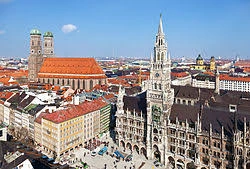
Munich
Munich contributes nearly 20–25% of inbound medical tourism, particularly for orthopedics, cardiology, and oncology treatments supported by high-end university hospitals.
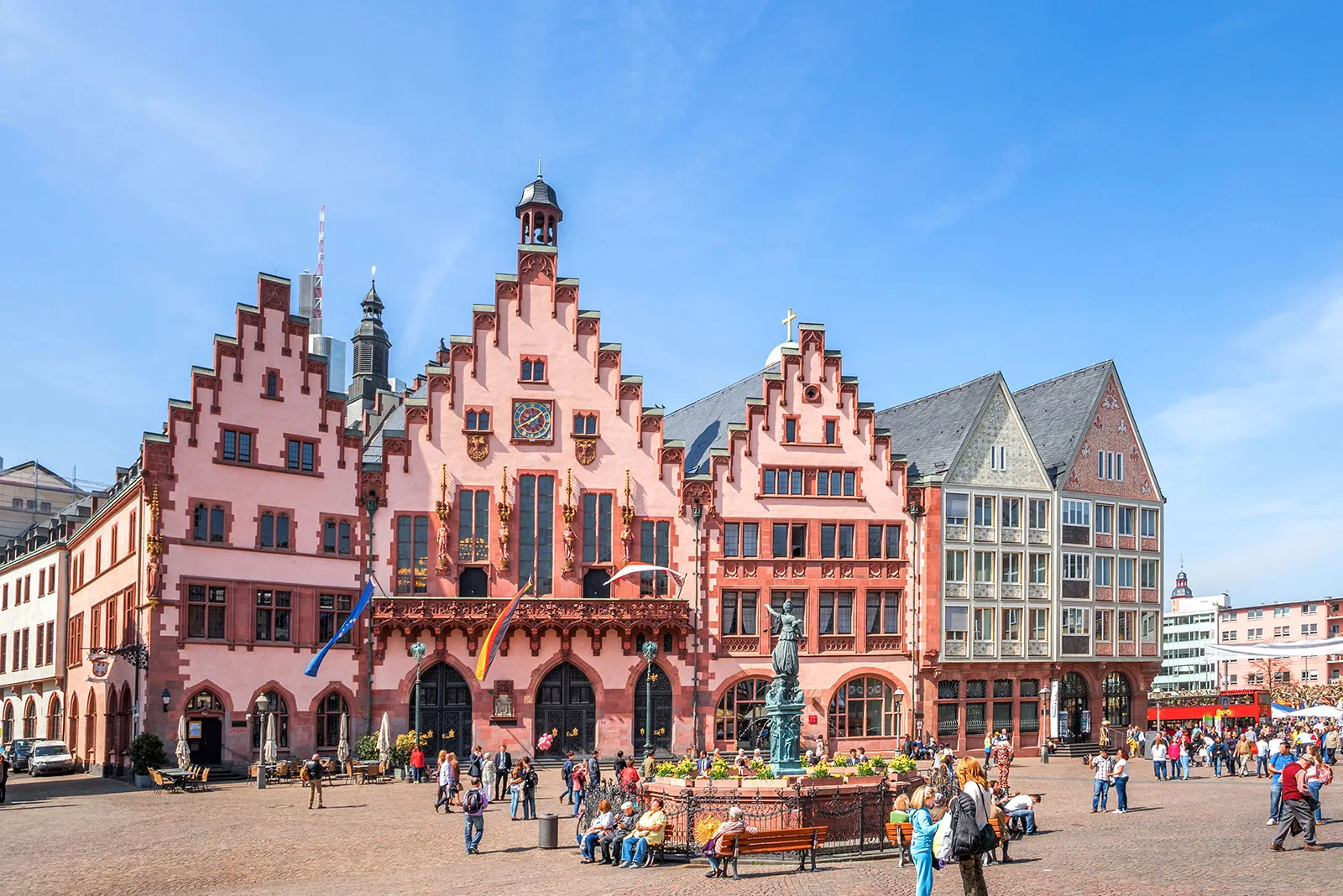
Frankfurt
Frankfurt handles around 15–20% of inbound patients, driven by its international connectivity and strong focus on cardiovascular and advanced diagnostic treatments.

Hamburg & Heidelberg
Cities such as Hamburg and Heidelberg are significant contributors, especially in oncology, neurology, and transplant-related care, supported by globally respected research-driven hospitals.
These hubs are technologically advanced, well-connected internationally, and home to some of Europe’s top medical treatment hospitals.
Top Medical Treatment Hospitals and Facilities in Germany
Germany’s healthcare system includes 40+ JCI-accredited hospitals, alongside world-renowned university hospitals and medical research institutions.

Charité – Universitätsmedizin Berlin
One of Europe’s largest university hospitals and a global leader in oncology, neurology, and infectious diseases. Charité treats tens of thousands of international patients annually.
Heidelberg University Hospital
Internationally recognized for cancer treatment, proton therapy, and precision oncology, attracting patients from across the globe.
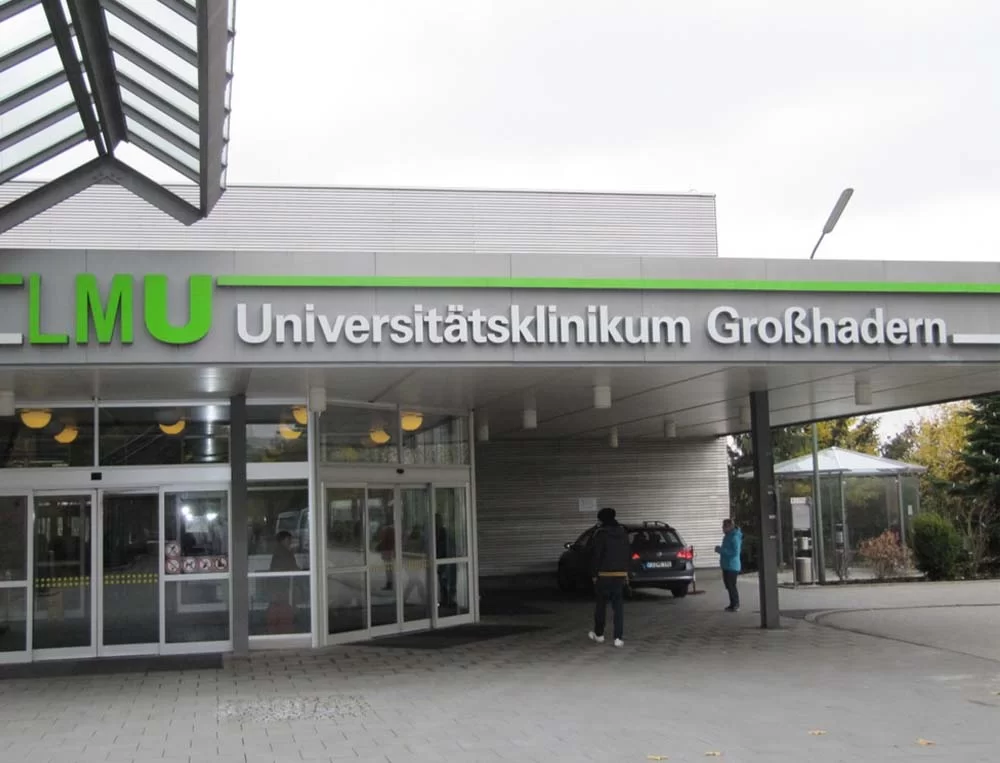
University Hospital Munich (LMU & TUM)
Known for excellence in cardiology, orthopedics, and transplant medicine, serving patients from Europe, the Middle East, and beyond.
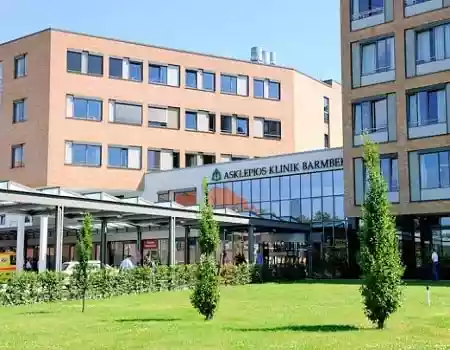
Asklepios & Helios Hospital Groups
Large private hospital networks offering structured international patient services, coordinated care pathways, and multi-specialty treatments across Germany.
These institutions collaborate closely with licensed medical tourism facilitators and health tourism companies, providing comprehensive packages that include diagnostics, treatment planning, accommodation coordination, and post-treatment follow-up.
International Patient Experience
Popular Cities for Medical Tourism
 Chat with us
Hi 👋, I’m June. How can I help you?






 1.png)